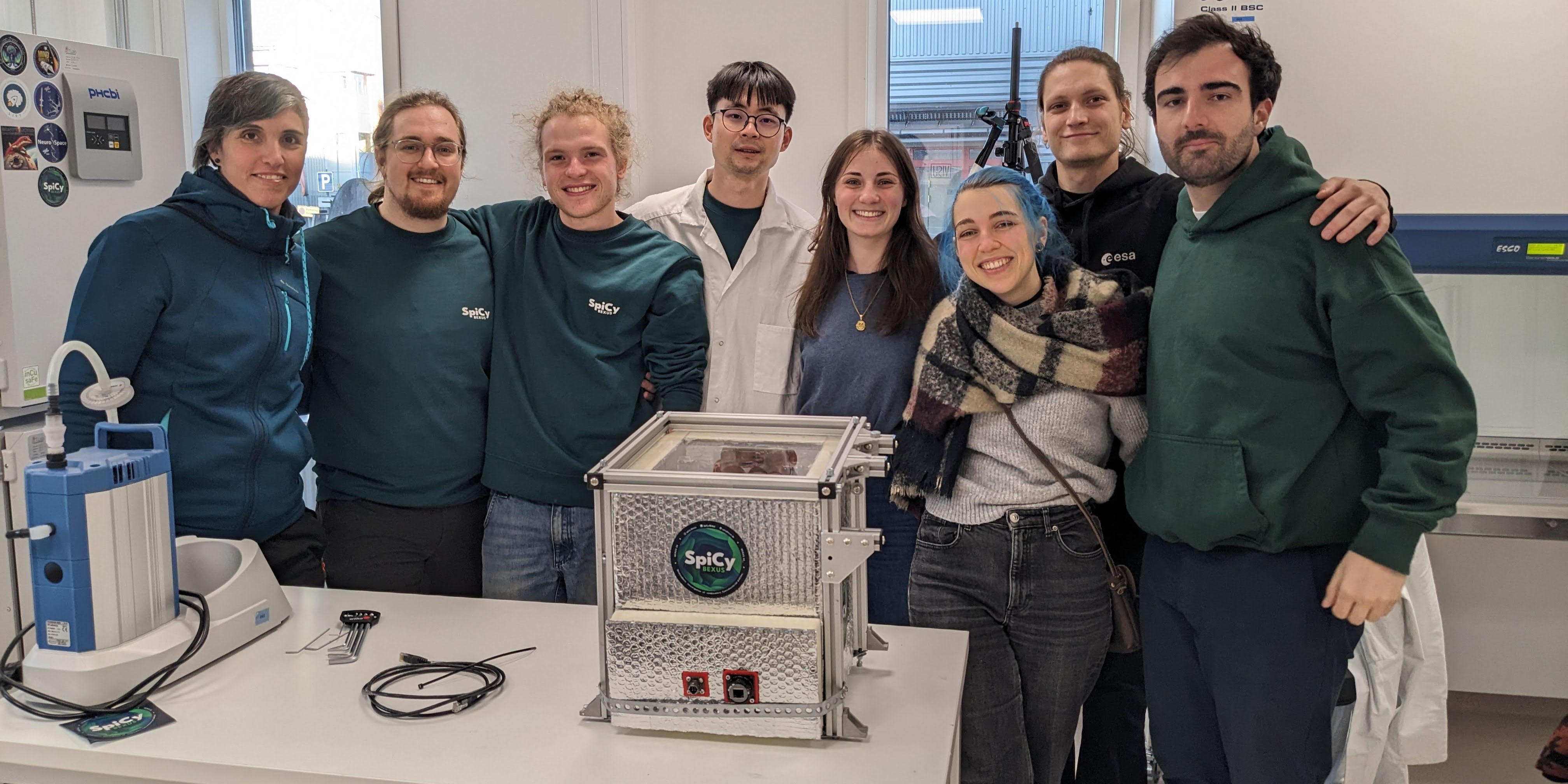
SpiCy is a student-led mission that explores the behavior of combinatory cyanobacterial biofilms under elevated ionizing and non-ionizing radiation levels in the stratosphere.
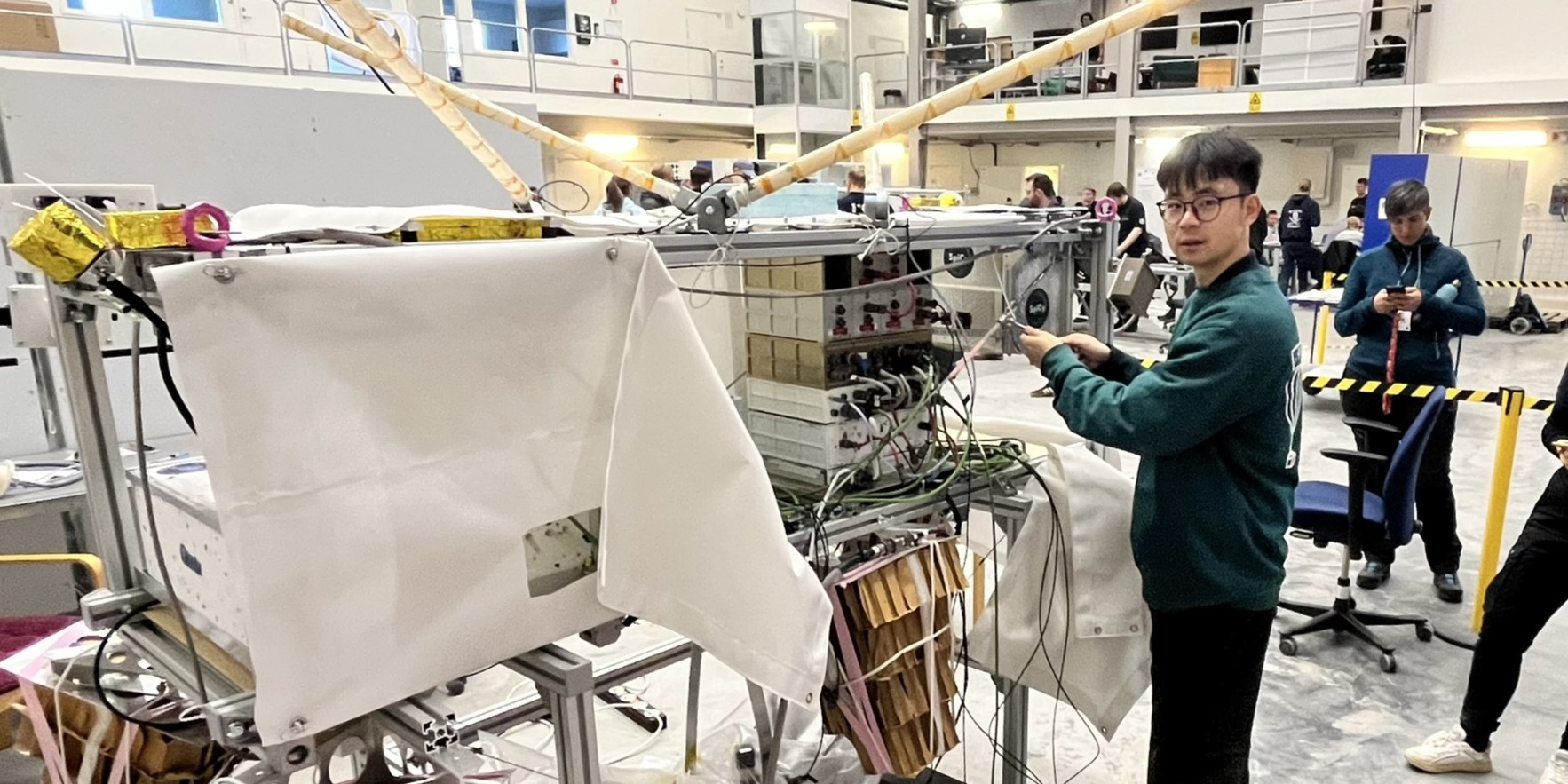
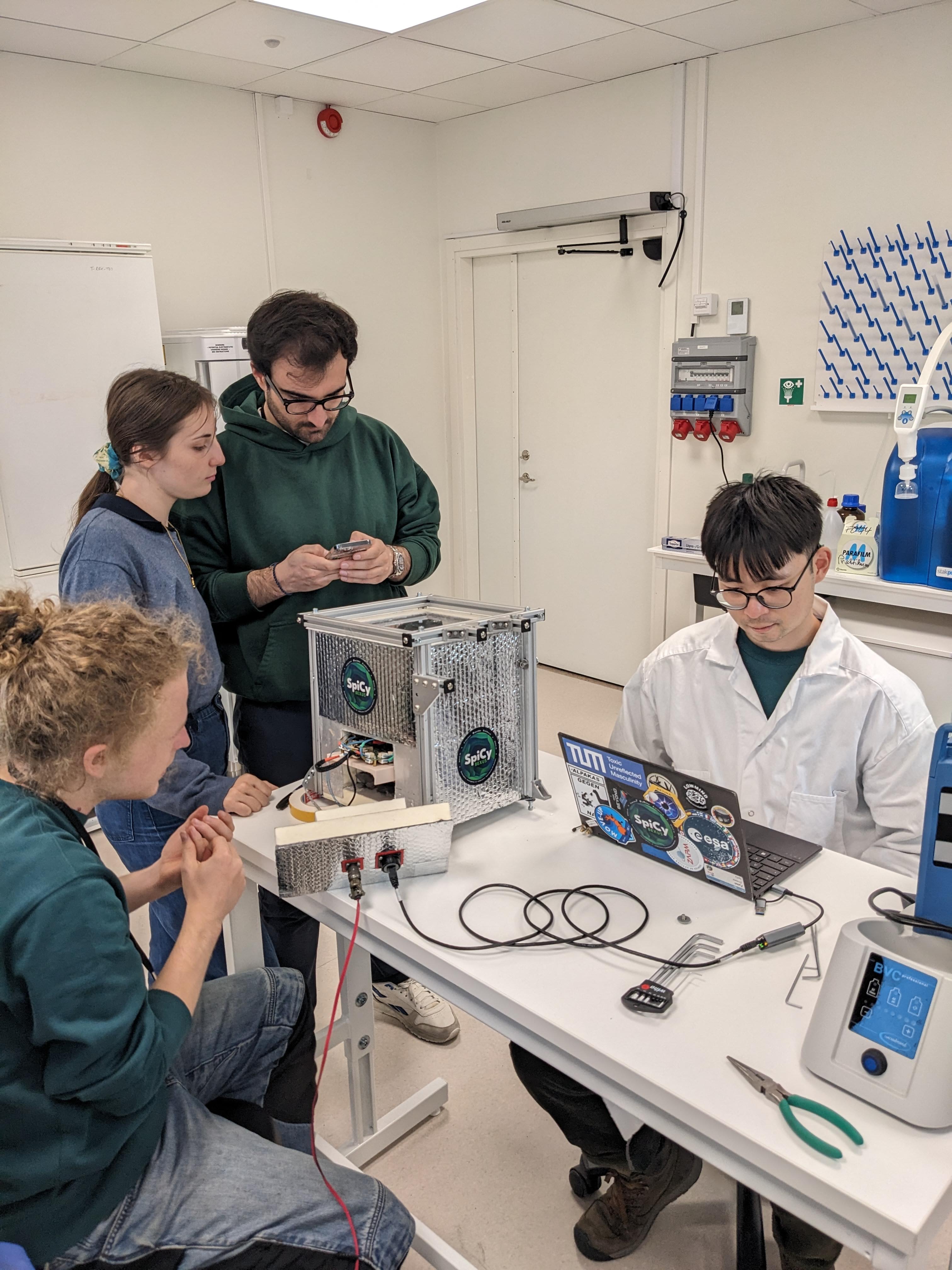
In the SpiCy project, I was responsible for the entire experimental cycle from development through design, manufacturing, and mechanical testing. The goal of the project was to study how cyanobacterial biofilms behave under elevated levels of stratospheric radiation, a key aspect of long-term space travel. The complexity of the project lies in creating a robust experimental setup that can withstand extreme conditions while accurately capturing biological data. My work focuses on ensuring the integrity of the biofilm during exposure, which directly contributes to understanding the biofilm's potential to produce oxygen.Teamwork within SpiCy is critical as we leverage our collective expertise to meet the challenges of human space exploration.
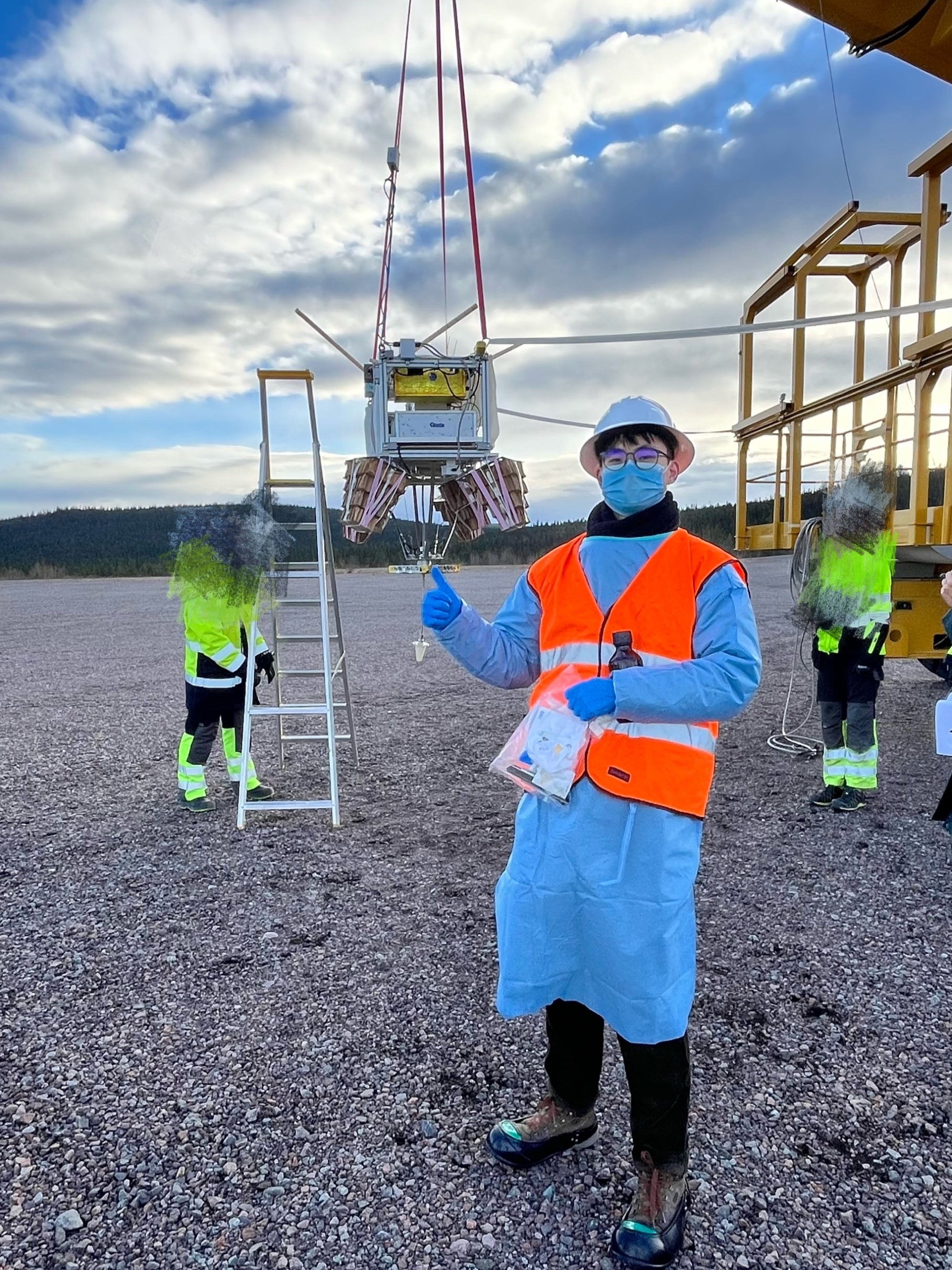
This project is conducted under the REXUS/BEXUS (Rocket and Balloon Experiments for University Students) programme, which is realized through a bilateral Agency Agreement between the German Aerospace Center (DLR) and the Swedish National Space Agency (SNSA). The Swedish share of the payload has been made available to students from other European countries through collaboration with the European Space Agency (ESA). EuroLaunch, a cooperation between the Swedish Space Corporation (SSC) and the Mobile Rocket Base (MORABA) of DLR, is responsible for campaign management and operations of the launch vehicles. Experts from DLR, SSC, ZARM, and ESA provide technical support to the student teams throughout the project.